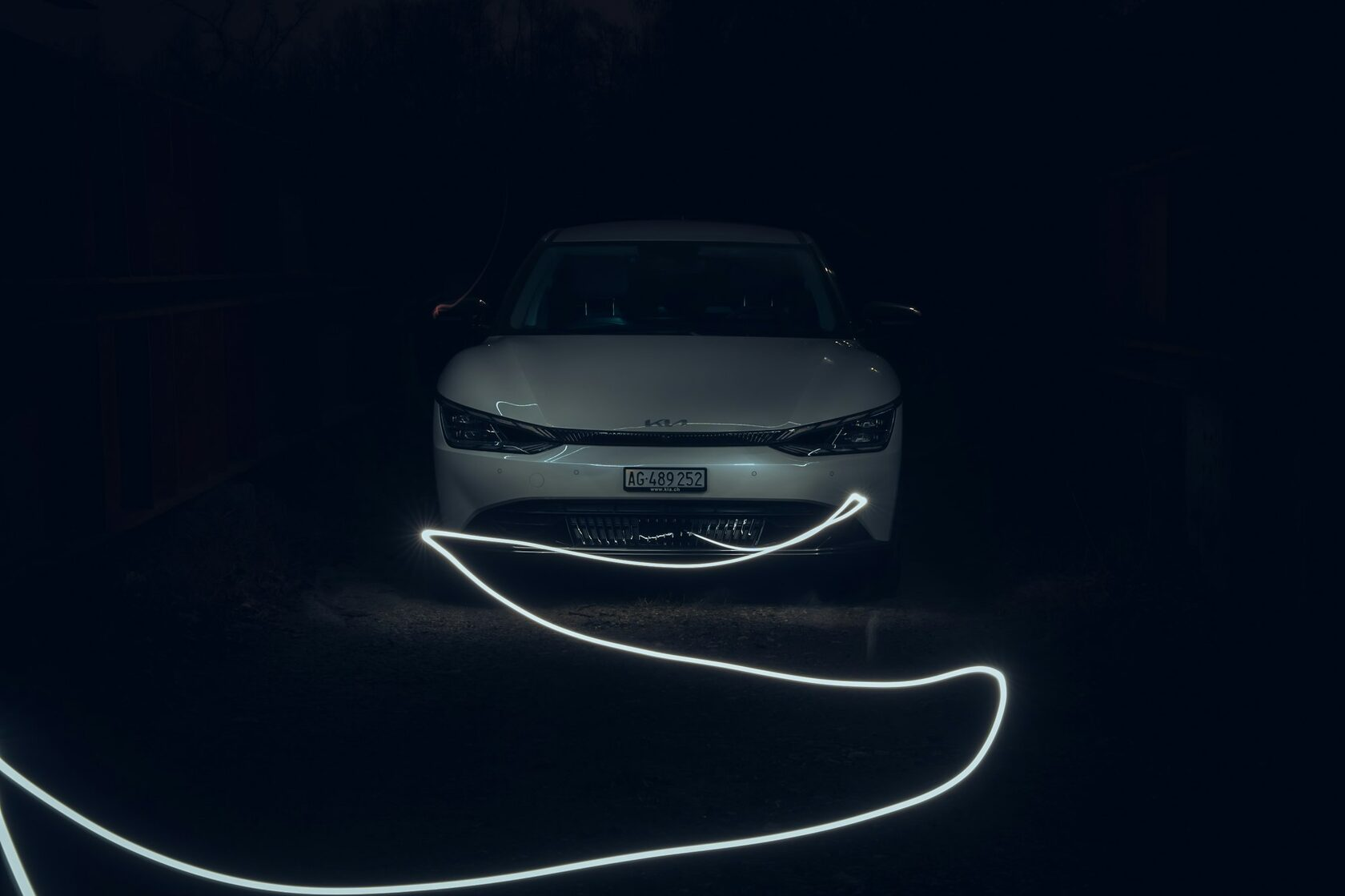
Electric Cars: Myths, Risks and Reality
Electric cars have long been presented as the future of transportation — an ecological and technological solution. But behind the bright marketing, there are nuances rarely discussed. Let’s break down what electric cars really are, why they were created, and why their reliability often raises questions.
What is an electric car
An electric car is a vehicle powered by an electric motor and a battery instead of an internal combustion engine. Although it produces no exhaust emissions while driving, its production and maintenance may be far less “green” than commonly believed.
Why they were created
The main idea was to reduce urban emissions and decrease dependence on fossil fuels. However, battery production requires rare earth materials, the extraction of which raises environmental and ethical concerns.
Main problems of electric cars
Battery degradation
Over time, battery capacity decreases, reducing driving range. Replacing the battery is one of the most expensive procedures.
Insufficient infrastructure
Charging stations are still scarce, especially in small towns and rural areas. Charging also takes much longer than refueling.
Environmental footprint
Battery production leaves a significant carbon footprint. Battery recycling remains a complex and poorly developed process.
Complex electronics
Electric cars are filled with electronics that can be fragile and expensive to repair.
Conclusion
Electric cars are not a perfect or magical solution. They have advantages, but also many drawbacks. Before purchasing one, it is important to understand real risks, long-term costs, and the limitations of the technology.
Electric cars have long been presented as the future of transportation — an ecological and technological solution. But behind the bright marketing, there are nuances rarely discussed. Let’s break down what electric cars really are, why they were created, and why their reliability often raises questions.
What is an electric car
An electric car is a vehicle powered by an electric motor and a battery instead of an internal combustion engine. Although it produces no exhaust emissions while driving, its production and maintenance may be far less “green” than commonly believed.
Why they were created
The main idea was to reduce urban emissions and decrease dependence on fossil fuels. However, battery production requires rare earth materials, the extraction of which raises environmental and ethical concerns.
Main problems of electric cars
Battery degradation
Over time, battery capacity decreases, reducing driving range. Replacing the battery is one of the most expensive procedures.
Insufficient infrastructure
Charging stations are still scarce, especially in small towns and rural areas. Charging also takes much longer than refueling.
Environmental footprint
Battery production leaves a significant carbon footprint. Battery recycling remains a complex and poorly developed process.
Complex electronics
Electric cars are filled with electronics that can be fragile and expensive to repair.
Conclusion
Electric cars are not a perfect or magical solution. They have advantages, but also many drawbacks. Before purchasing one, it is important to understand real risks, long-term costs, and the limitations of the technology.